How Access Control Security Solutions Enhance Building Security
In today's world, effective building security is crucial, and access control systems are at the forefront of this initiative. By controlling entry points and monitoring access, these systems can greatly improve safety. You might ask yourself how technologies like key cards and biometrics can revolutionize security measures. Let's explore the perks and features of these systems that not only protect but also streamline operations in your Access Control Security Solutions building.
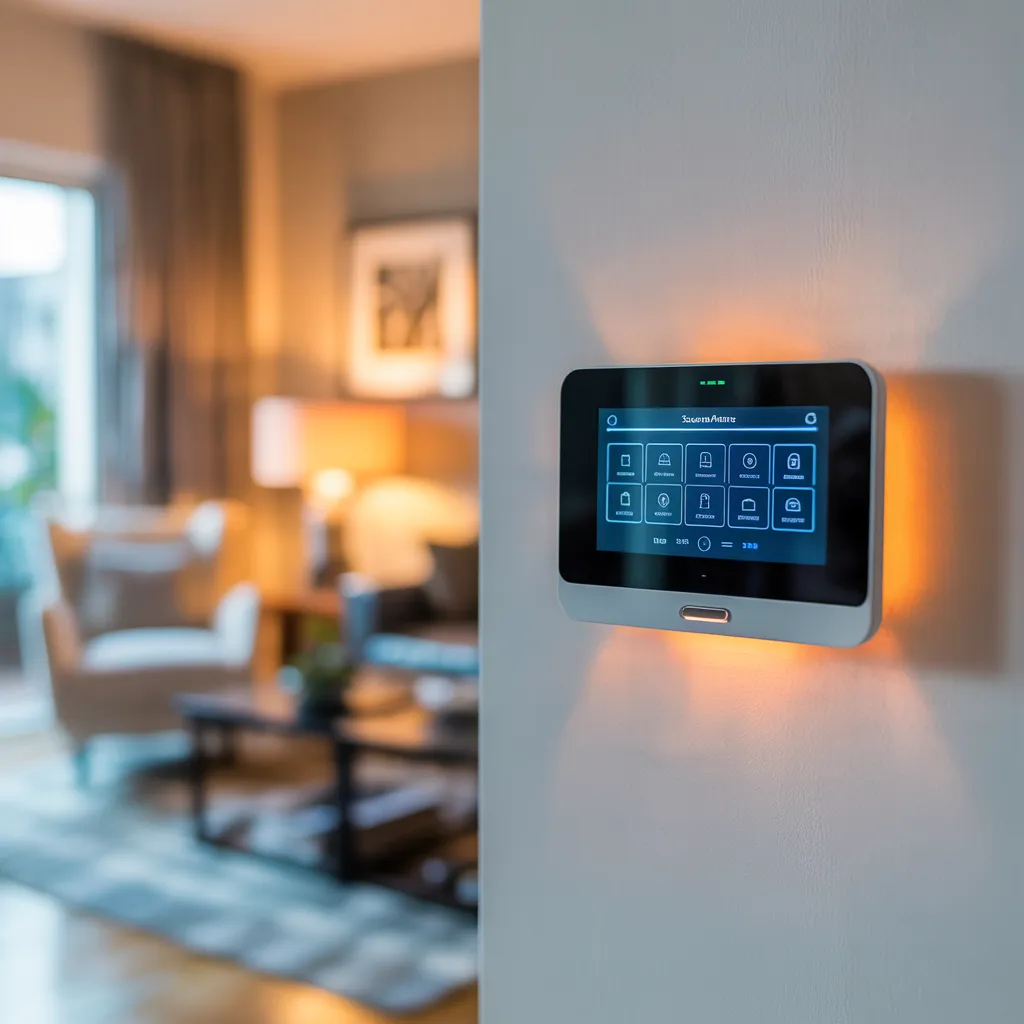
Comprehending Access Control Security Systems
Security solutions for access control serve a vital function in safeguarding your assets and confidential data. Such systems assist you in controlling who may access particular zones, guaranteeing that only approved individuals can enter. You can utilize various technologies, such as key cards, biometric scanners, or mobile access apps, to streamline entry points. Having an access control system installed allows you to observe and record entries and exits, simplifying the process of monitoring activity and detecting any unapproved access efforts. Moreover, these solutions may be unified with other protective measures, such as video surveillance and alert systems, to develop a complete security structure. Understanding how these systems function will empower you to make informed decisions about safeguarding your property and enhancing overall security.

Main Advantages of Access Control Systems for Modern Buildings
As you think about modern buildings, elevated security measures and better access management are crucial. Access control systems provide you with the tools to defend your premises while streamlining entrance for authorized personnel. These advantages not only shield your assets but also create a more productive environment.
Improved Security Solutions
Implementing improved security measures is crucial for modern buildings, specifically as threats continue to evolve. Access control systems offer a strong layer of protection, enabling you to monitor who enters and exits your facility. With features like biometric authentication and keyless entry, you can significantly reduce the risk of unauthorized access. These systems also deliver real-time alerts, so you're immediately informed of any security breaches. Plus, you can easily track access history, helping you detect patterns or potential threats. By integrating surveillance cameras with your access control, you create a complete security solution that deters criminal activity. Eventually, these measures not only protect your assets but also contribute to a safer environment for everyone in the building.
Enhanced Access Management
Through enhancing security measures, you also create opportunities for improved access management in modern buildings. With advanced access control systems, you can conveniently monitor who enters and exits your building, making certain that only authorized personnel gain access. This not only streamlines entry processes but also minimizes the risk of unauthorized access. You'll have the flexibility to adjust access levels for different individuals, making it uncomplicated to manage permissions based on roles or specific times. Moreover, real-time tracking capabilities allow you to quickly respond to security incidents. All in all, improved access management not only strengthens safety but also fosters a more orderly and efficient environment, in the end contributing to the smooth operation of your building.
Investigating Different Categories of Access Control Methods
In terms of access control systems, there are a variety of options to examine. Key card systems, biometric authentication methods, and mobile access options all deliver particular advantages for safeguarding your premises. Let's explore how these systems can boost your security strategy.
Key Card Access Systems
Access control key card systems rank among the most widely adopted security technologies, offering a trustworthy and streamlined way to manage entry to secure areas. These systems utilize electronic cards that you can easily swipe or tap at entry points, permitting or blocking access based on your credentials. You'll encounter key card systems in different forms, including smart cards, proximity cards, and magnetic stripe cards, each delivering different levels of security and convenience. They're often integrated with software to monitor access logs, strengthening security by monitoring who enters and exits. Plus, you can easily remove access when needed, making them a versatile solution for dynamic security needs. In summary, key card systems optimize building security while making certain only authorized personnel can enter restricted areas.
Biometric Identity Confirmation Methods
As companies pursue more secure access control solutions, biometric authentication methods have gained popularity for their capability to provide a unique and reliable way to verify identity. These methods include fingerprint recognition, facial recognition, and iris scanning. Each offers unique advantages, making them well-suited for different environments. For instance, fingerprint scanners are speedy and user-friendly, while facial recognition systems can operate from a distance, improving convenience. Iris scans boast high accuracy, limiting the chance of false positives. By implementing biometric solutions, you can significantly reduce unauthorized access and enhance overall security. Additionally, these technologies often integrate seamlessly with existing security systems, permitting for a smoother change and heightened protection for your business's assets.
On-the-Go Access Solutions
Biometric authentication methods have transformed access control, but mobile access solutions are now elevating security to the next level. With the expansion of smartphones, you can unlock doors using mobile apps, Bluetooth, or NFC technology. This not only improves convenience but also improves security by eliminating the need for physical keys. You can easily control access permissions in real-time, granting or revoking access from your device. Mobile access solutions also enable multi-factor authentication, adding an extra layer of protection. Additionally, they can integrate seamlessly with existing systems, making implementation straightforward. By implementing these solutions, you streamline entry processes, reduce the risk of unauthorized access, and create a more secure environment for everyone in your building.
Enhancing Facility Management Effectiveness Using Access Control
During building management, you'll find that access control solutions can significantly enhance efficiency. These systems streamline operations by automating entry processes, minimizing the time spent on manual check-ins. You'll see a substantial decrease in unauthorized access, enabling you to focus on more pressing management tasks.
With real-time monitoring, you can quickly identify and address security concerns, creating a more protected environment for staff and tenants. Moreover, analytics-driven insights enable you to make smart choices regarding maintenance schedules and resource distribution. Implementing access control additionally simplifies managing tenants; you can readily approve or revoke access privileges, saving valuable time and energy. Ultimately, access control not only strengthens security but also improves your facility management processes, enabling you to operate more efficiently.
Integrating Access Control and Other Security Measures
To effectively enhance security, combining access control systems with other security measures is vital. By integrating access control with surveillance cameras, you create a comprehensive security network that tracks and documents activities in real-time. This integration permits you to establish a layered defense, where each security measure reinforces the other. For instance, you can configure alerts to alert you of unauthorized access attempts while concurrently capturing video evidence. Moreover, pairing access control with alarm systems can guarantee immediate responses to breaches. When you integrate these systems, you not only strengthen overall safety but also ease management. In the end, a unified approach strengthens your building's security posture, offering you greater peace of mind.
Why Real-Time Monitoring and Reporting Matter in Access Control
Real-time monitoring and reporting serve a critical function in improving access control systems, making certain you can address quickly potential security threats. With instant alerts, you can quickly identify unauthorized access attempts or breaches, facilitating swift measures. This capability not only aids in stopping breaches but also provides valuable insights into security patterns and vulnerabilities.
Moreover, detailed reporting keeps you informed about who accessed the building and when, assisting you in maintaining compliance with security protocols. You can track employee movements and visitor activity, guaranteeing accountability. By employing these features, you create a safer environment and bolster the overall effectiveness of your security strategy. In essence, real-time monitoring and reporting allow you to make informed decisions and enhance your building's security.
Future Trends in Access Control Security Solutions
As technology advances, access control security solutions are ready to encounter significant transformations that will redefine how we defend our spaces. You'll witness a shift towards integrating artificial intelligence and machine learning, improving threat detection and response. Biometric authentication will become increasingly common, making it more difficult for unauthorized individuals to gain access. Cloud-based systems will offer greater flexibility, allowing you to manage security in real-time and remotely. Mobile credentials will substitute traditional keycards, delivering a seamless user experience. In addition, the rise of IoT devices will enable smarter, interconnected security systems that respond to your specific needs. Adopting these trends will not only enhance security but also empower you to sustain a safer environment.
Questions & Answers
How Can Access Control Systems Enhance Emergency Response Times?
Access control systems improve emergency response times by providing real-time data on building occupancy and access points. They enable first responders to navigate efficiently, ensuring faster evacuations and targeted assistance during emergencies, ultimately safeguarding lives.
What Are the Financial Considerations for Implementing Access Control Solutions?
Implementing access control solutions includes costs such as hardware, software, installation, and ongoing maintenance. You'll also need to factor in training for staff and potential upgrades, which can contribute to the overall investment over time.
Do Access Control Systems Integrate In Conjunction With Existing Security Infrastructure?
Indeed, access control systems can seamlessly integrate with your current security infrastructure. This integration improves overall security by allowing you to monitor and manage various systems from a single platform, boosting efficiency and response times.
How Often Should Access Control Systems Be Serviced and Updated?
It's important to update and maintain access control systems annually at minimum. Nonetheless, if you identify performance issues or security threats, don't delay to implement updates more frequently to ensure peak security and functionality.
What Kinds of Businesses Benefit Most From Access Control Solutions?
Healthcare facilities, educational institutions, retail stores, and corporate offices derive the greatest advantage from access control solutions. These facilities require heightened security, overseeing access to sensitive areas while maintaining safety for employees, customers, and visitors alike.